
iSaloni 2017 Trends: Everything you need to know about contemporary design
Mar 10, 2017
On the eve of Isaloni, one of the most discussed topics in professional circles is the discussion of the latest trends in architecture and interior and exterior design. Traditionally, experts from Milan Furniture Forum initiate TrendLab, where they discuss trends in the modern home and the most expected «chips» of the season.
What are the features of the 2017 home? Here's what the professionals have to say:
Natural style (all what has been called Wild Style, Second Nature and Raw Style in Western literature) is becoming a macro-trend in architecture and interior design.
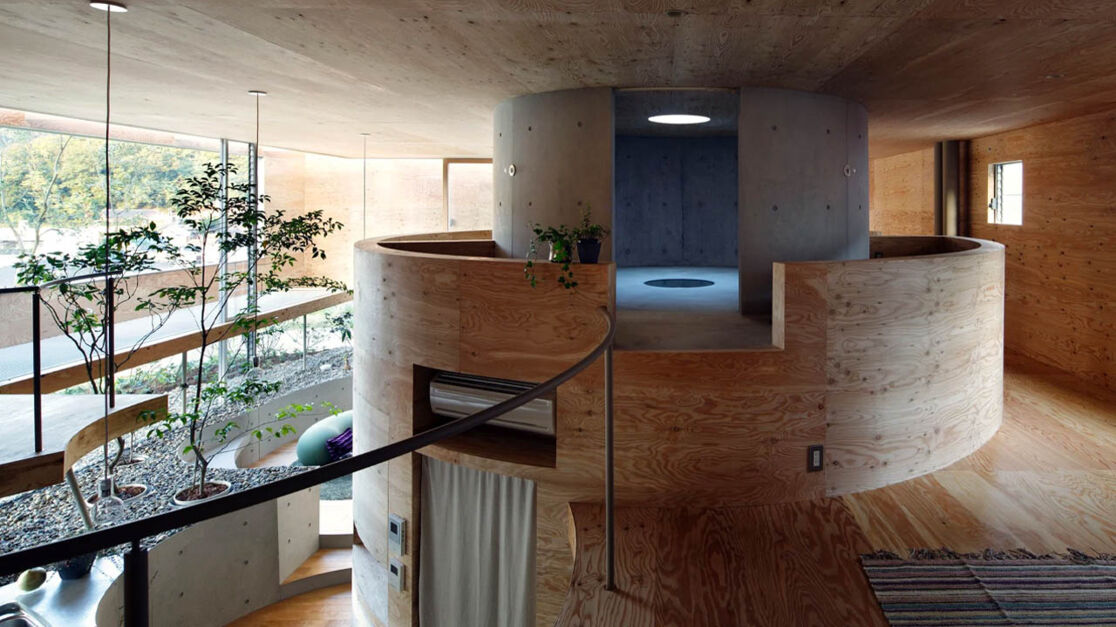
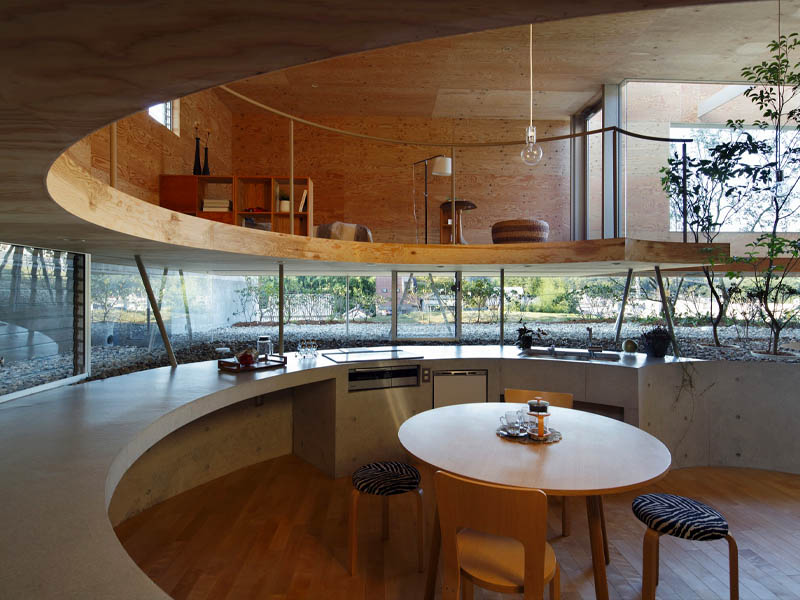
The environment is integrated into the interior space, which serves as a natural extension of it. For example, this Pit House, realised by UID Architects in Okayama Prefecture in Japan. The natural interior has not only an aesthetic function, but also an ecological and economic one. The roof-garden and natural walls improve air quality and serve as a dust and exhaust gas filter, act as a natural regulator of the internal temperature, and have noise-absorbing properties.
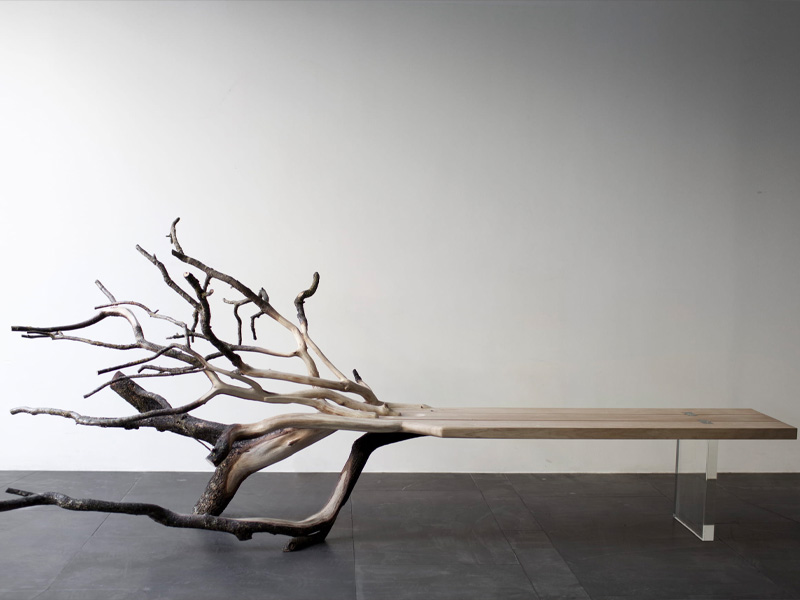
Natural design – it is also about preserving the natural shape and texture of materials. For example, the Fallen Tree bench by the French designer Benjamin Graindorge: one of the legs is a real tree branch, which gives the piece a special, sculptural appeal.
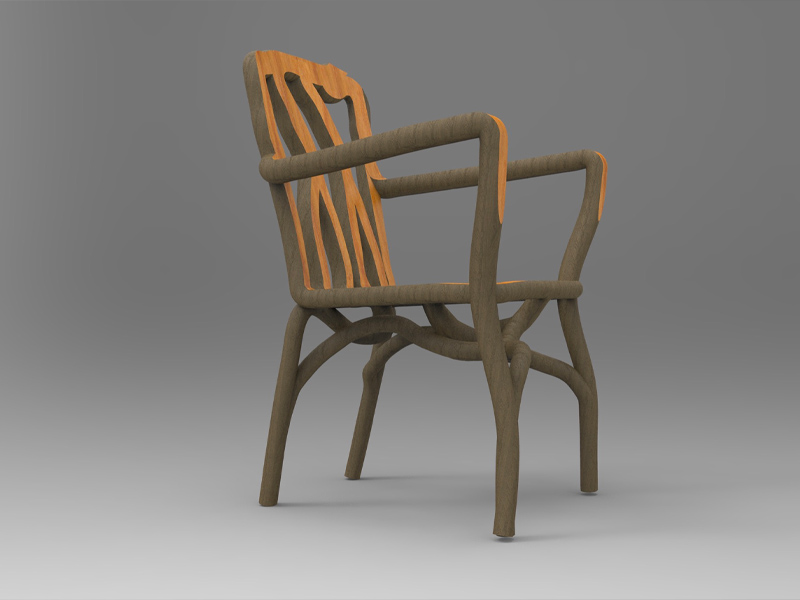
British designer Gavin Munro has come up with an eco-friendly way of producing incredible furniture for the home, which consists of growing young trees using specially designed plastic moulds. Of course, the tree requires special care like pruning or grafting, but the solid wood interior object is worth it, according to Gavin Munro. So for next year, 400 trees are already being cultivated in Derbyshire, and these are tables, chairs and even chandeliers that will decorate your eco-friendly interior.
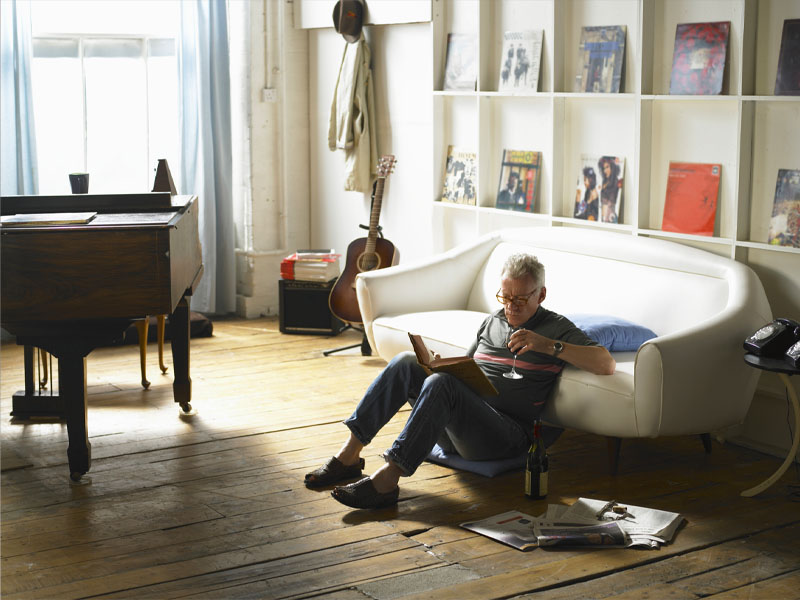
Home is where emotions live. This is why eclecticism is becoming more and more common, as opposed to a single, classic or contemporary interior style. A home is a synthesis of the experiences, interests and hobbies of its owner, and designers strive to take this into account.
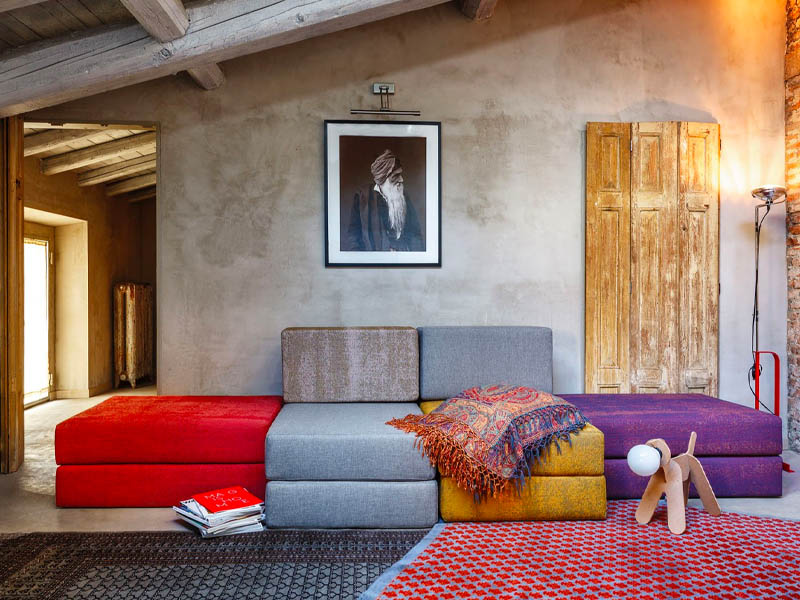
Personalising the space There are many techniques, and modular furniture is one of them. For example, the sofa Rudolph by Italian designer Davide Negri offers complete freedom to develop your imagination: the ability to vary the number of modules, use fabrics of different textures and in a wide range of colours makes the sofa versatile, appropriate in a variety of design «context».
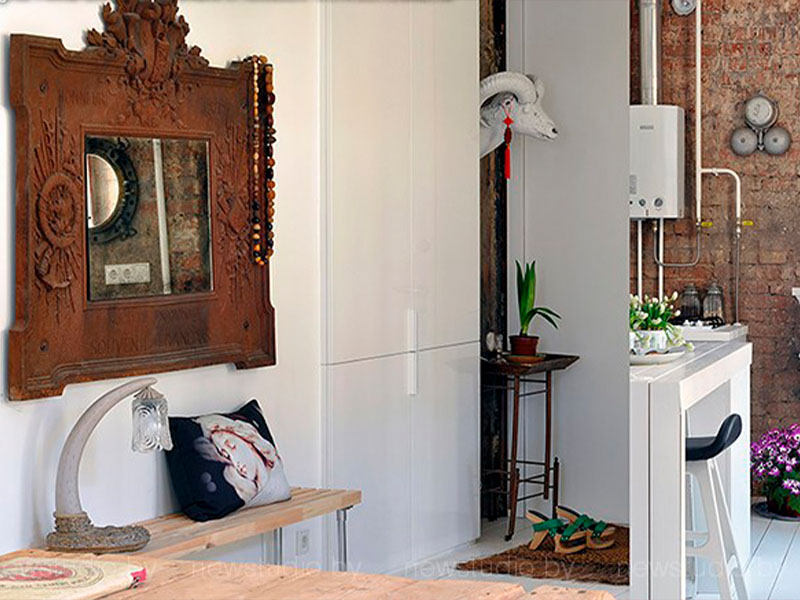
InsideOut-space: the lines between public and private housing, work and living space are blurring. Russian designer Anna Ehrman lives in the countryside with her family, but bought and renovated a flat on Old Arbat in Moscow – and not so much to settle in the capital as to develop relationships with her clients. The space is designed to fit a dual purpose: for example, an island in the kitchen can easily turn into a table that can seat up to twenty people at a time.
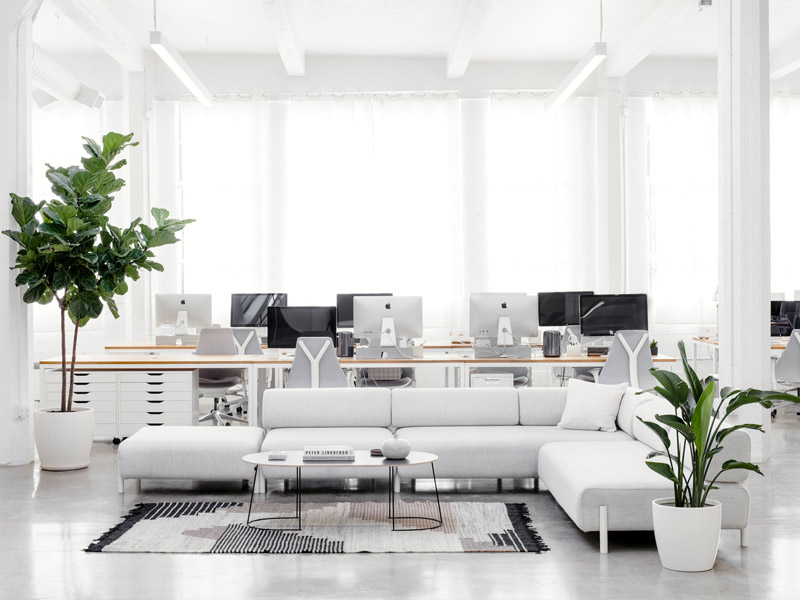
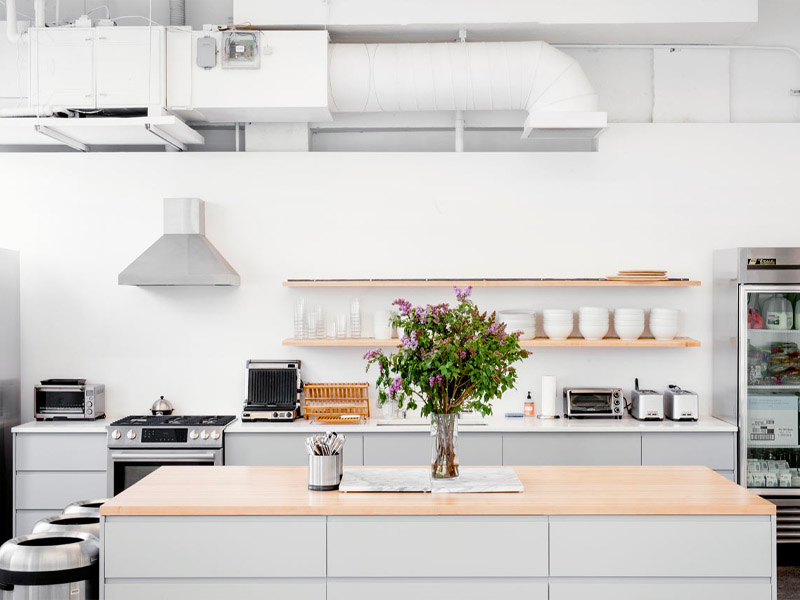
Another example – the head office of fashionable Californian company Everlane, which is located in a renovated industrial building of a former laundry. A soft colour scheme, cushions on sofas, a large kitchen island – everything in this office contributes to making the staff not only productive but also comfortable.
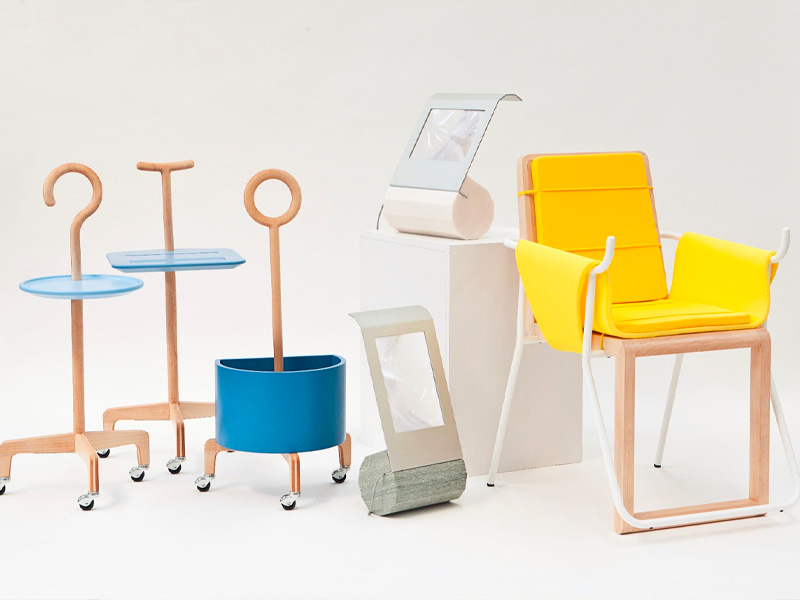
Home is reimagined as a place, empowering people. The design duo Lanzavecchia + Wai (Milan and Singapore) have created a line of furniture for older people and people with disabilities. Together – is a range of mobile furniture with small wheels and an ergonomic handle that resembles a cane or an umbrella. It can be supplemented with various accessories which significantly simplify your everyday life and serve as a mobile table, container or a tablet or magazine holder. The Assunta chair uses a person's own weight as a lever, which makes it much easier to lift for the elderly.
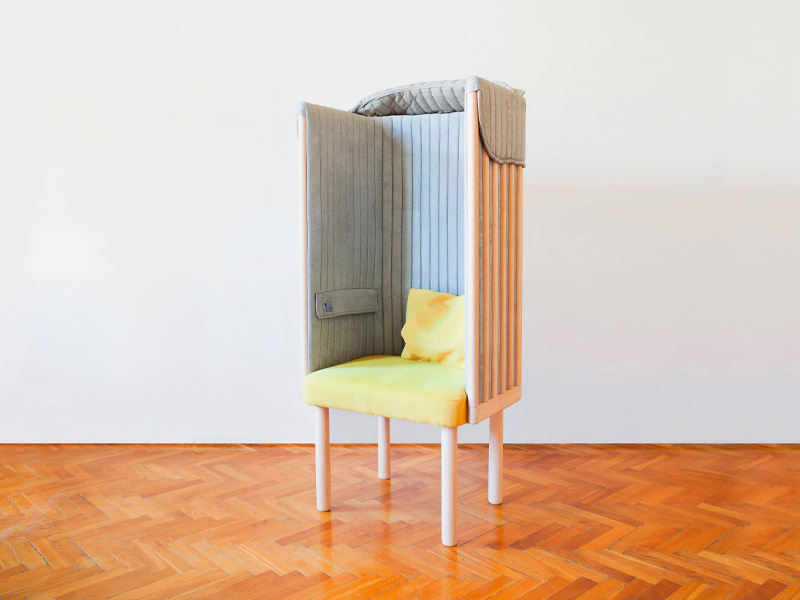
How many times a day do you control your smartphone? Polish designer Agata Nowak has tried to turn the tide by launching the Offline Chair to curb a bad habit. Soft, soundproof materials and side pockets for mobile devices – the designer has provided everything you need to afford a digital detox;
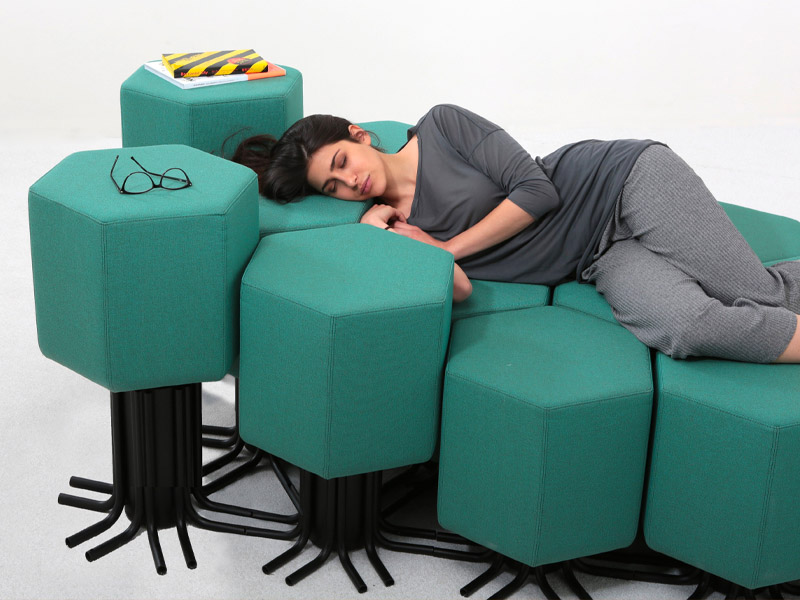
"Smart home": The modular Lift-Bit pouffe system, developed by Carlo Ratti Associati in collaboration with Vitra «grows» and sinks in seconds. It sounds fantastic, but it's true: just reach out with the palm of your hand – the pouf starts to grow in size.
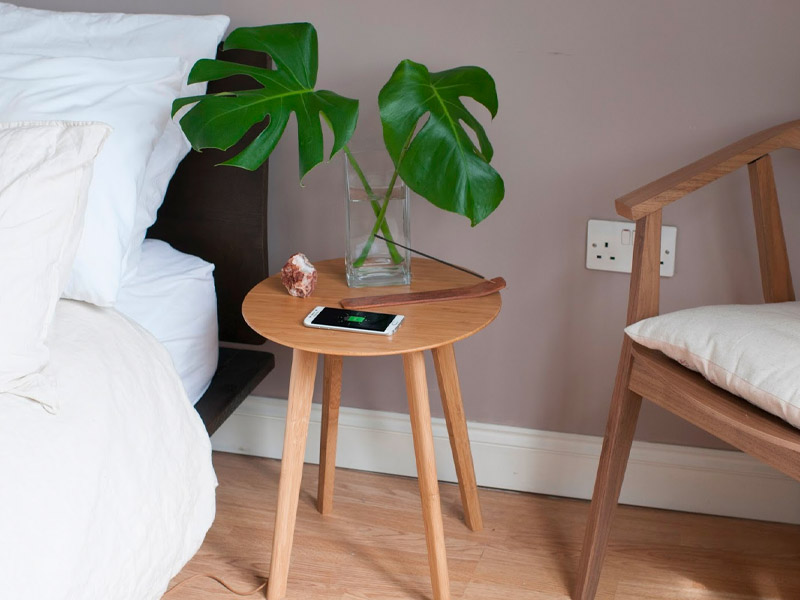
Phygital design: the latest generations of devices are being integrated into furnishings, creating a congenial environment conducive to living, working and relaxing. An example of this is a new product from Fonesalesman, a London-based company specialising in wireless charging. The FurniQi bamboo table features Qi wireless charging for smartphones. The induction energy transfer plates are built into the bottom surface of the tabletop and hidden from view. They allow you to charge your smartphones from up to 4 centimetres away: simply place your smartphone, tablet or smart watch on the table – charging has begun.
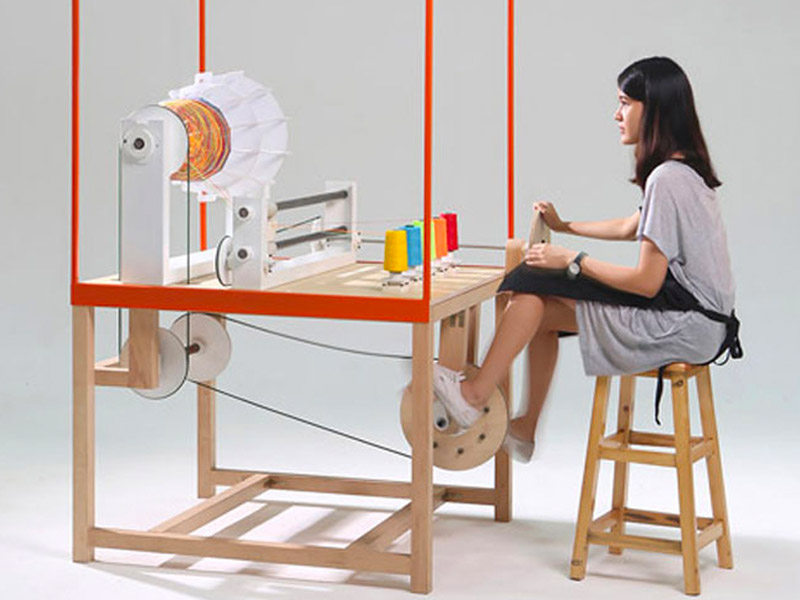
FutureCraft design. THINKK Studio has produced yarn looms that allow for the production of homespun lamps. Each such lamp has an original and always different pattern, and therefore adds personality to the whole interior as well.
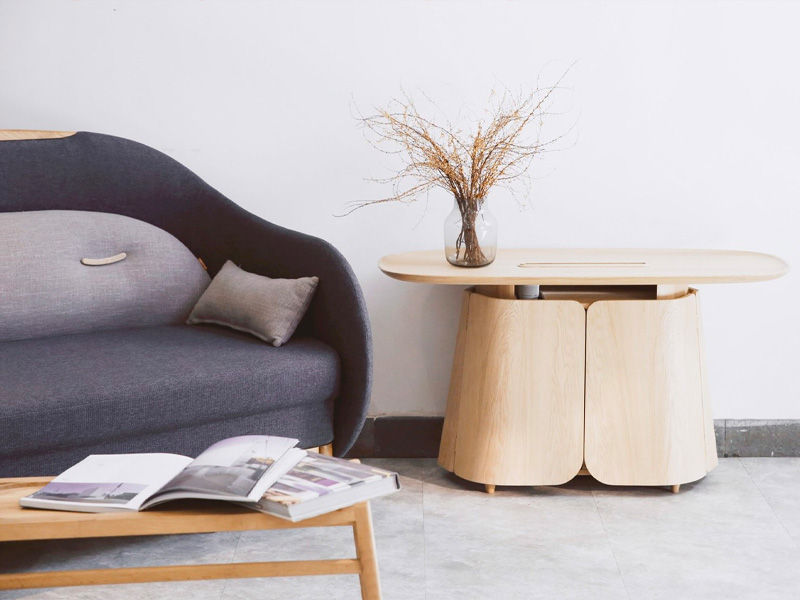
More than design. Today, designers use everyday objects to tell the most fascinating stories. For example, this Green Tea table-servant from Ziinlife is offered to the consumer under the slogan «revealing the hidden beauty of ordinary life». Modern design and tradition are woven into a single piece of furniture, with shelves inside storing all the necessary utensils so that the host and guests can enjoy a tea party in accordance with the rules of art.
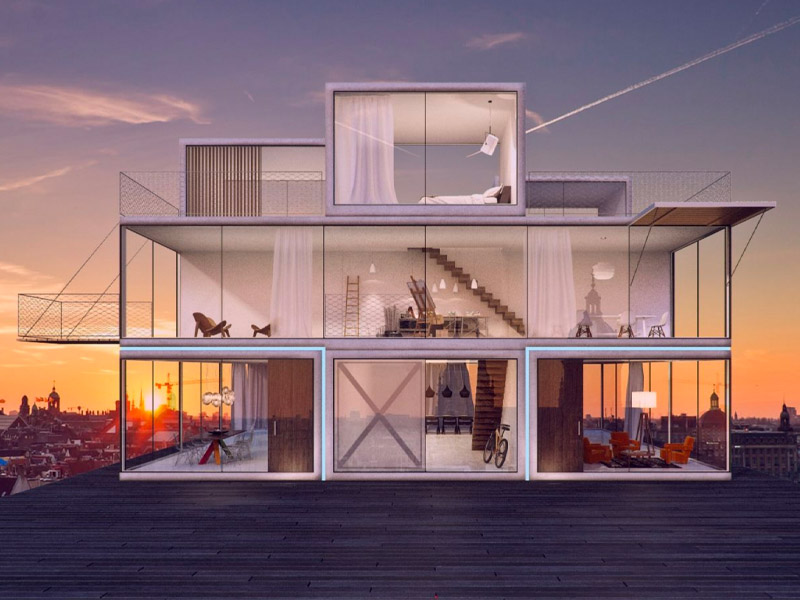
A customised house: Furniture and furnishings are not the only things that are customisable. Dutch architect Janjaap Ruijssenaars, founder of Universe Architecture, has unveiled a prototype Tetris house. The project is inspired by the brickwork of the famous game. The individual rooms can be strung together and turned upside down, depending on the owners' preferences, and the construction of such a house resembles child's play and goes “at the same breath”.
Of course, the list of top trends in architecture and interior design could go on and on. The New Studio team will be heading to Milan to see the innovations for themselves. See you at iSaloni!